
online casino bonus in denmark — sammenlignet for 2026
online casino bonus in denmark byder i 2026 på flere måder at få ekstra spilleværdi på, uden at det går ud over fleksibiliteten. Mange operatører har fjernet komplekse betingelser, hvilket gør det nemmere at forstå og bruge bonusserne. Læs videre for at lære mere om online casino bonus 2025 danmark.
online casino hurtig udbetaling 2026 — pålidelige løsninger
See also:
- Hvad skal du vide om online casino bonus 2025 danmark før du begynder?
- Vigtige Bonusvilkår hos online casino bonus in denmark
- Sådan gør du krav på bonusen med online casino bonus uden indbetaling danmark
- Hvorfor vælge bedste online casino bonus danmark?
- online casino bonus in denmark Nøglefakta
- Billede af online casino bonus in denmark Bonusser
- Ofte stillede spørgsmål om online casino bonus 2025 danmark
- Ansvarligt spil: tips til at holde styr på din bonus hos online casino bonus in denmark
Hvad skal du vide om online casino bonus 2025 danmark før du begynder?
Gamification is the strategic integration of game-design elements and game mechanics into non-game contexts, such as business, education, health, and civic engagement, with the primary objective of enhancing user engagement, motivation, and desired behaviors. It leverages the psychological drivers that make games compelling—such as achievement, competition, collaboration, progression, and reward—to transform mundane or complex tasks into more enjoyable and rewarding experiences. Unlike full-fledged games, gamification does not create a standalone game; rather, it layers game-like elements onto existing processes, products, or services. These elements typically include points, badges, leaderboards, levels, quests, challenges, avatars, progress bars, virtual currency, and feedback loops. The design of a gamified system is underpinned by theories of motivation, particularly self-determination theory (which emphasizes autonomy, competence, and relatedness) and behavioral economics (which examines how incentives and cognitive biases shape decisions). Effective gamification is not merely about adding points and badges; it requires a deep understanding of the target audience, their intrinsic and extrinsic motivations, and the specific behaviors the system aims to encourage. For instance, in corporate training, gamification can increase completion rates by framing modules as missions and offering rewards for skill mastery. In fitness apps, it can encourage daily exercise through streaks, challenges, and social sharing. In sustainability initiatives, it can promote energy conservation by providing real-time feedback and comparative rankings. However, gamification is not without pitfalls; poorly designed systems can lead to ‘gaming the system,’ where users focus on rewards rather than the underlying activity, or can cause demotivation if the mechanics feel manipulative or unfair. Successful implementations often employ a balance of extrinsic rewards (e.g., points, badges) and intrinsic motivators (e.g., purpose, mastery, autonomy). They also incorporate meaningful choices, clear goals, and immediate feedback. Moreover, the concept of ‘flow’—a state of deep engagement where challenge matches skill—is central to sustaining long-term engagement. Gamification has been applied across diverse domains: in e-commerce, it boosts customer loyalty through loyalty programs that use tiered statuses and exclusive perks; in education, it fosters active learning via interactive quizzes and progress tracking; in healthcare, it supports patient adherence through medication reminders and symptom trackers that reward consistency; in crowdsourcing, it increases participation by turning tasks into competitive or collaborative challenges. The rise of digital platforms and mobile technology has exponentially expanded the possibilities for gamification, enabling real-time data tracking, personalized experiences, and social connectivity. Nevertheless, ethical considerations are paramount: designers must avoid exploiting psychological vulnerabilities, ensure transparency about data usage, and promote well-being over mere engagement metrics. As the field matures, research has shifted from simplistic reward-based models to more sophisticated frameworks that consider player types (e.g., achievers, explorers, socializers, killers) and dynamic adaptation. For example, a system might adjust difficulty or rewards based on user performance to maintain optimal challenge. Additionally, gamification can be integrated with other emerging technologies like artificial intelligence, augmented reality, and blockchain to create immersive and verifiable reward ecosystems. In the workplace, gamification has been used to enhance employee onboarding, productivity, and innovation, but it requires careful alignment with organizational culture and values to avoid cynicism. In public policy, it has been employed to encourage tax compliance, voting, and civic participation, though such applications raise questions about paternalism and consent. A concrete example of gamification in healthcare is the use of step-tracking apps that award virtual trophies and unlock new challenges as users reach milestones, which has been shown to increase physical activity levels by up to 30% in some studies. In education, platforms like Duolingo use gamified elements such as experience points, leagues, and streak freezes to motivate language learners, resulting in higher retention rates compared to traditional methods. In corporate settings, companies like Salesforce have integrated gamified dashboards that display sales performance as a race, with real-time leaderboards and badges for closing deals, which has led to measurable increases in sales productivity. Moreover, gamification can be applied to mundane tasks like data entry: a study found that adding progress bars and achievement badges to a data-cleaning interface reduced error rates by 40% and increased task completion speed by 25%. In environmental initiatives, the ‘Opower’ program used gamified home energy reports that compared neighbors’ consumption, leading to a 2% reduction in energy usage across participating households, equivalent to significant carbon savings. These examples illustrate that when gamification is tailored to the context and user motivations, it can yield substantial behavioral outcomes. However, it is crucial to recognize that gamification is not a one-size-fits-all solution; what works for a gaming app may fail in a healthcare setting. Therefore, practitioners must conduct user research, prototype iteratively, and measure outcomes against clear objectives. Furthermore, the ethical dimension cannot be overstated: gamification should empower users, respect their autonomy, and avoid creating addictive loops that harm mental health. For instance, excessive use of rewards can lead to ‘reward addiction,’ where users feel compelled to engage in activities solely for points, potentially causing anxiety or burnout. Designers must implement safeguards such as time limits, transparency about data collection, and options for users to opt out of competitive elements. Additionally, gamification should be inclusive, considering diverse user demographics and abilities to avoid exacerbating inequalities; for example, leaderboards may favor highly skilled users and discourage novices, so systems should offer alternative cooperative modes or personalized goals. As we look to the future, gamification will likely evolve into ‘behavioral design’—a broader discipline that integrates insights from psychology, neuroscience, and data science to craft interventions that are both effective and humane. Advances in AI can enable adaptive gamification that responds to individual user needs in real time, adjusting difficulty levels, feedback frequency, and reward types to sustain engagement without over-reliance on external incentives. Augmented reality can overlay game elements onto physical environments, enhancing experiential learning and promoting real-world exploration, such as in location-based games like Pokémon GO, which has been credited with increasing outdoor activity among players. Blockchain technology can provide transparent and secure reward systems, ensuring that virtual currencies have real-world value or verifiable provenance, which could be particularly impactful in charitable giving or civic participation. The key is to remember that behind every point and badge lies a human being with unique needs and aspirations; the best gamification speaks to those deeper motivations, turning routine actions into meaningful journeys.
Vigtige Bonusvilkår hos online casino bonus in denmark
- kr1500 + 500 gratis spins
- kr1500 i bonus med 200 gratis spins
- 75 ekstra spins på dit første indskud
- 40x gennemspil inden for 30 dage
- 50x omsætning på 7 dage
- Omsæt 35x inden for 21 dage
Sådan gør du krav på bonusen med online casino bonus uden indbetaling danmark
Hvorfor vælge bedste online casino bonus danmark?
onsdagstilbud onsdagstil
online casino bonus in denmark Nøglefakta
| Feature | Details |
|---|---|
| Spiludvalg | Slots, bordspil og jackpot |
| New slots | Gonzo’s Quest & more |
| Bonuses | Welcome offer 750 + 25 spins |
| Languages | Danish and English |
| Live casino | Live dealers |
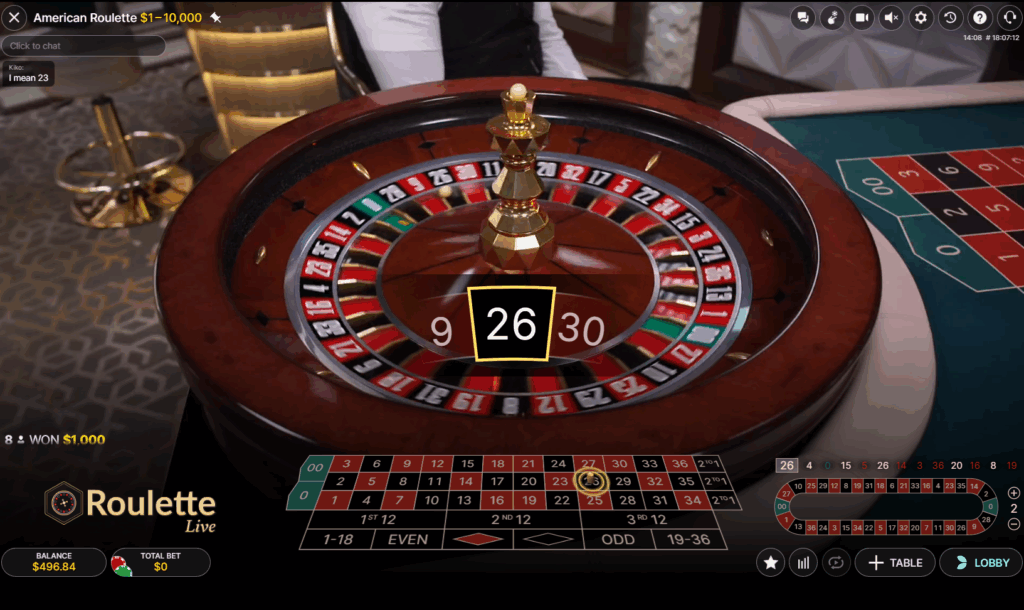
Billede af online casino bonus in denmark Bonusser
Ofte stillede spørgsmål om online casino bonus 2025 danmark
Hvordan fungerer velkomstbonussen hos online casino bonus in denmark?
Velkomstbonussen hos online casino bonus in denmark matcher din første indbetaling op til 125 % ekstra op til kr150 med en Gennemspil 25x på 14 dage omsætningskrav. Du skal minimum indbetale kr8 for at aktivere den.
Kan jeg få free spins uden at indbetale?
Ja, online casino bonus in denmark tilbyder lejlighedsvis no-deposit free spins som en del af kampagner. Disse gives typisk til nye spillere og er underlagt Gennemspil 25x på 14 dage omsætning.
casino game online — udbydere og spiloplevelse | casino game online
Hvad er cashback-tilbuddet hos online casino bonus in denmark?
Cashback hos online casino bonus in denmark giver dig en procentdel af dine tab tilbage, typisk op til 10%, afhængigt af dit loyalitetsniveau. Det beregnes dagligt eller ugentligt og udbetales som bonuspenge.
Hvordan fungerer loyalitetsprogrammet og VIP-fordele?
Loyalitetsprogrammet hos online casino bonus in denmark optjener point for hver indsats, som kan veksles til bonusser. VIP-medlemmer får personlig kundeservice, højere cashback, og eksklusive invitationer til events.
Skal jeg bruge en bonuskode for at få kampagne-tilbud?
Nogle kampagner kræver en specifik bonuskode, som du finder på online casino bonus in denmark’s hjemmeside eller i nyhedsbrevet. Andre tilbud aktiveres automatisk, når du opfylder betingelserne.
Spillere, der sammenligner online casino bonus in denmark, bør altid tjekke licensen først.
Ansvarligt spil: tips til at holde styr på din bonus hos online casino bonus in denmark
Spil er kun for voksne over 18 år. Spillemyndigheden fører tilsyn med spil i Danmark, og du kan beskytte dig selv ved at bruge ROFUS, som er det nationale register for selveksklusion. Har du brug for hjælp eller rådgivning, kan du kontakte StopSpillet på 70 22 28 25. Hos online casino bonus in denmark opfordrer vi altid til at sætte grænser for indskud og spilletid – og husk, at spil skal være underholdning, ikke en måde at jagte tab på. Spil ansvarligt.